Why Russia
Russia is a recognised leader in training mathematicians, physicists, chemists, engineers, programmers, cosmonauts, biologists, doctors and creative professionals. Its classical education is considered one of the strongest in the world.
More than 190 peoples live here in unity and harmony. Russian is the state language, while more than 270 languages and dialects are spoken across the country and dozens of religions are practised.
Coming to Russia is worthwhile not only for high-quality higher education, but also to discover the country, its culture, scientific achievements and beautiful nature.
Find what suits you


We are the first in the world

Space exploration
The first artificial satellite of the Earth, the first person in space, the first female cosmonaut, and the first spacewalk are all achievements of the Russian space industry. Universities in our country have trained 139 cosmonauts and even more aircraft designers and engineers. Their work helps to study the Universe.
You can learn to build spacecraft in MAI (Moscow) or in Samara National Research University named after Academician S. P. Korolev (Samara).

Nuclear industry
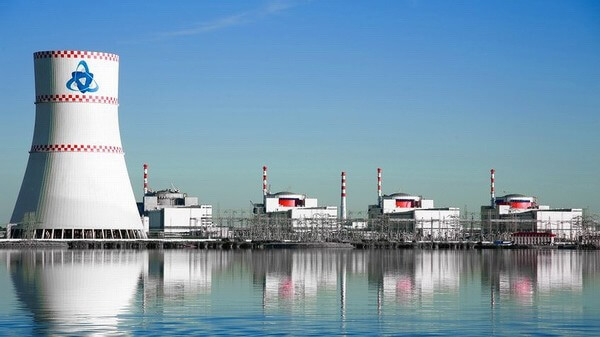
Russia is the only country in the world that has a nuclear fleet. The use of nuclear energy in maritime transport makes shipping in the Arctic accessible. Russian specialists are building nuclear power plants around the world, including in China, India, Turkey, Egypt, and Iran.
You can connect your life with the nuclear industry by enrolling in NIAU "MIFI" (Moscow) or Lobachevsky University of Nizhny Novgorod (Nizhny Novgorod).

Railways
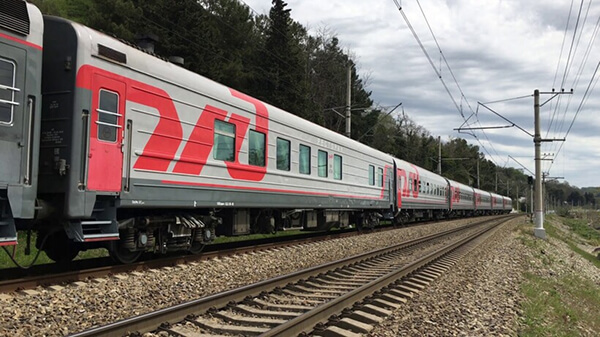
In Russia, the world's longest railway, the Trans-Siberian Railway, runs. Its length is more than 9,000 kilometers, connecting Moscow and Vladivostok. The journey along it will take almost a week of continuous travel. Each year, Russian Railways transport more than 1 billion passengers and are among the three world leaders in the transport industry.
Specialists for railways are being trained Russian University of Transport (MIIT) (Moscow) and Far Eastern University of Communications (Khabarovsk).

Mining and processing of minerals
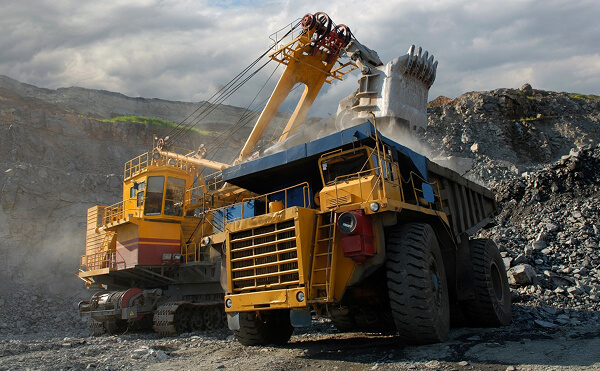
Russia is among the world leaders in the extraction of 40 types of mineral raw materials. The country ranks first in the world in diamond extraction and second in the extraction of natural gas, gold, potassium salts, and platinum metals. Russia also accounts for 48% of the global level of asbestos extraction, which is necessary in the construction sector.
You can become a geologist or an oil engineer in RGU Oil and Gas (NIU) named after I. M. Gubkin (Moscow) or in Novosibirsk State University (Novosibirsk).

Agriculture
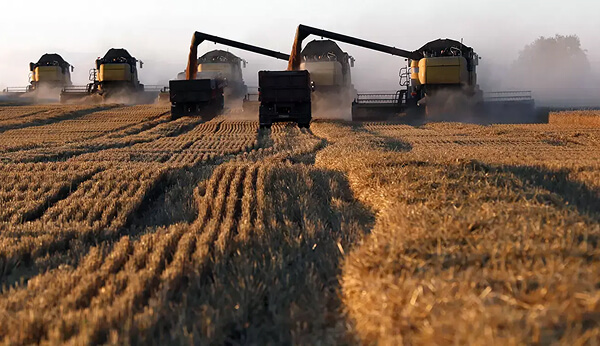
Russia exports products of the agro-industrial complex to 160 countries around the world. Our country is the world's largest producer and exporter of fertilizers. It occupies almost 15% of the global market and produces nitrogen, potassium, and phosphate fertilizers.
You can get the profession of an agronomist or a zootechnician in MSHA named after K. A. Timiryazev or in Kuban State Agrarian University (Krasnodar).

Medicine
Russian doctors and biological scientists are known worldwide. Nikolai Pirogov was the first to use ether anesthesia. Dmitry Ivanovsky discovered the existence of viruses. Mikhail Chumakov and Anatoly Smorodintsev developed a vaccine against polio that saved millions of lives. Ivan Pavlov became a Nobel laureate for his study of conditioned reflexes and the formation of the foundations of behavioral psychology.
Russian scientists first in the world to create Covid-19 vaccine and test cancer vaccine.
Medical universities in Russia can be found in the section "Universities".

Ballet School and Art
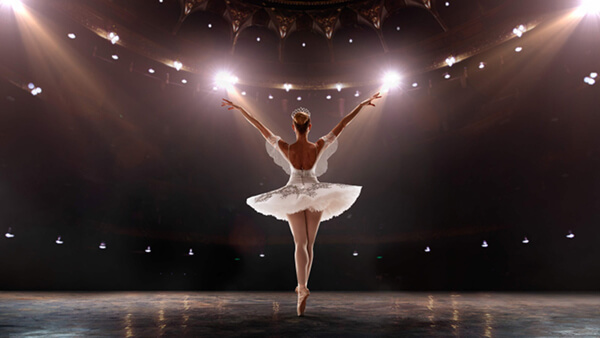
The Russian ballet school has existed for more than 120 years and continues to amaze its viewers. Fame was brought to it by ballerinas who have received worldwide recognition - Anna Pavlova and Maya Plisetskaya. Ballet productions of "Romeo and Juliet" by Sergei Prokofiev and "The Nutcracker" by Pyotr Tchaikovsky became one of the most popular performances of the 20th century.
Around the world, Russian artists are known: Viktor Vasnetsov, Ilya Repin, Mikhail Vrubel, Ivan Aivazovsky, Kazimir Malevich. No less famous are Russian writers: Fyodor Dostoevsky, Leo Tolstoy, Anton Chekhov, Vladimir Nabokov.
regions of the largest country
146 million people live in Russia. Russia is a multicultural country where more than 190 nationalities live and all world religions are represented. Such a cultural landscape helps foreign students feel comfortable and find friends from different cultures.
Russian North
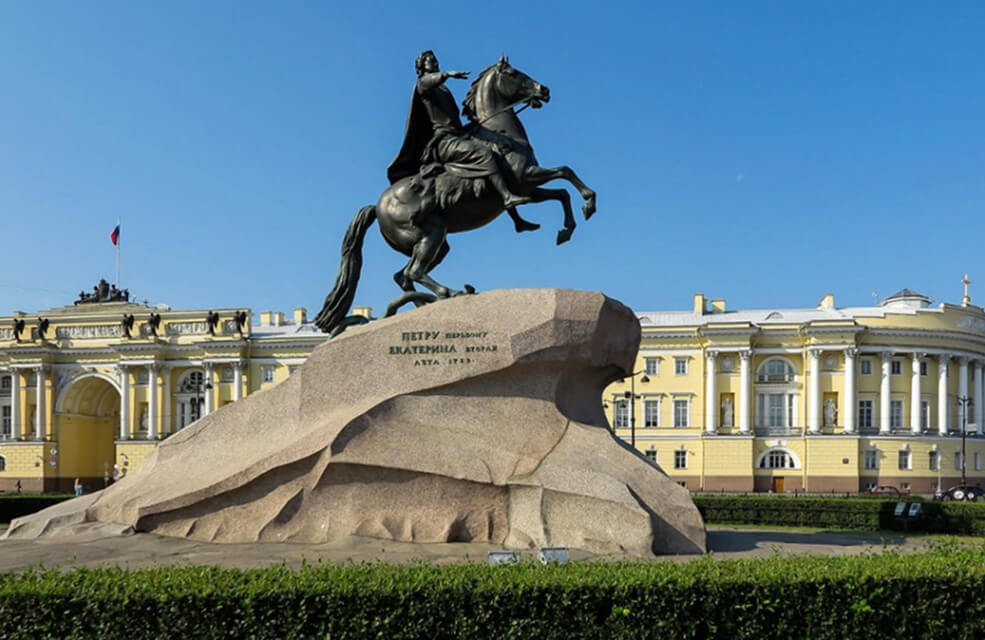
In the north of the country is the second most populous city in Russia - St. Petersburg. It is called the "cultural capital". The region has relatively warm winters and cool summers, most of the territory is covered with forests and has access to the Arctic Ocean.
Central Russia and the Volga region
Here is the heart of the country with its center in Moscow. This part of Russia is one of the most densely populated and very popular among tourists. The tourist route "Golden Ring of Russia" unites ancient cities with amazing history and architecture.
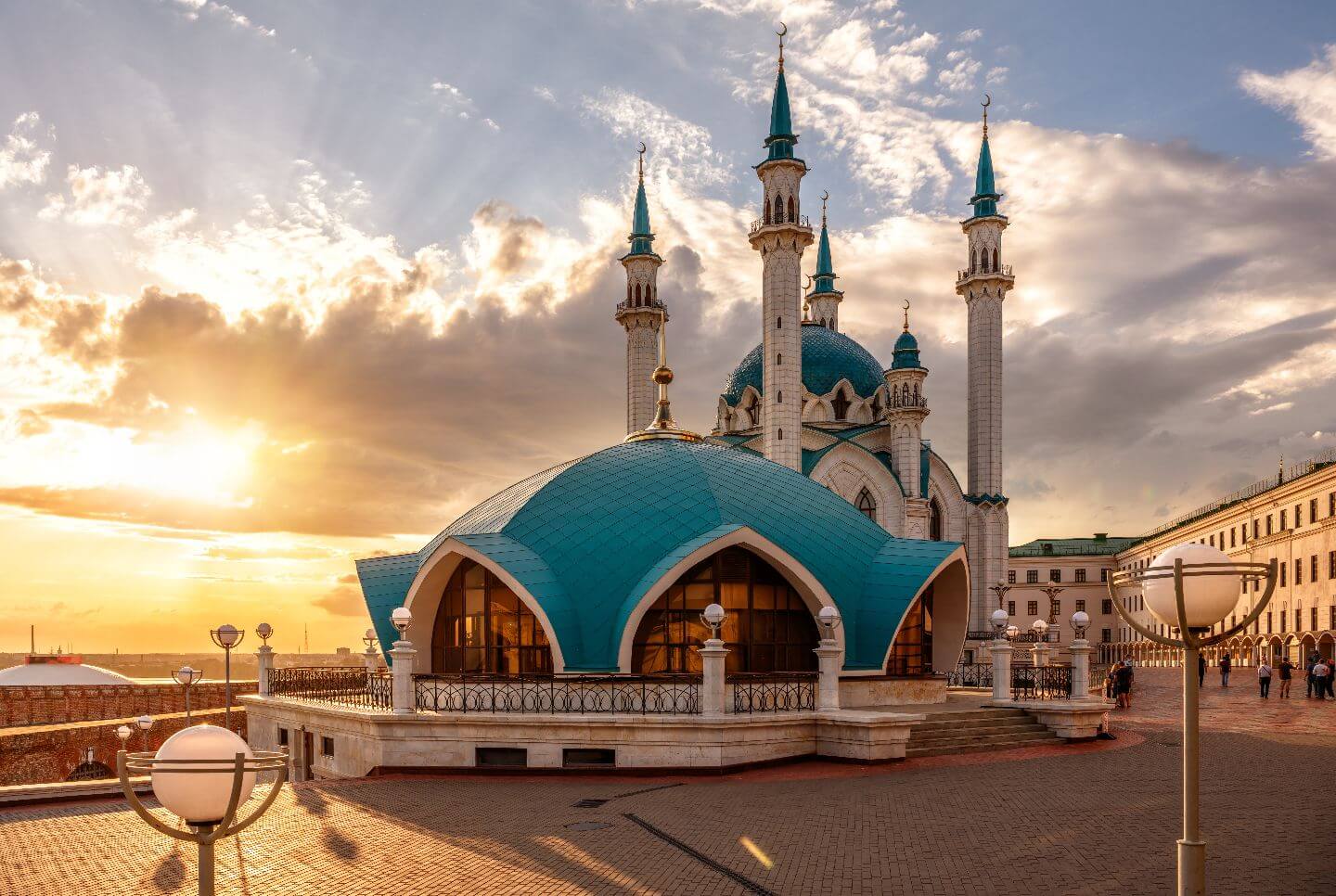
The Volga region stretches along the Volga, the largest river in Europe. The region has rich natural resources, including oil, gas, and table salt. The main industries are engineering, petrochemicals, energy, and agriculture. The cities of Samara, Kazan, and Saratov are the industrial centers of the region. Here, the summer is quite hot and the winter is mild.
South of Russia
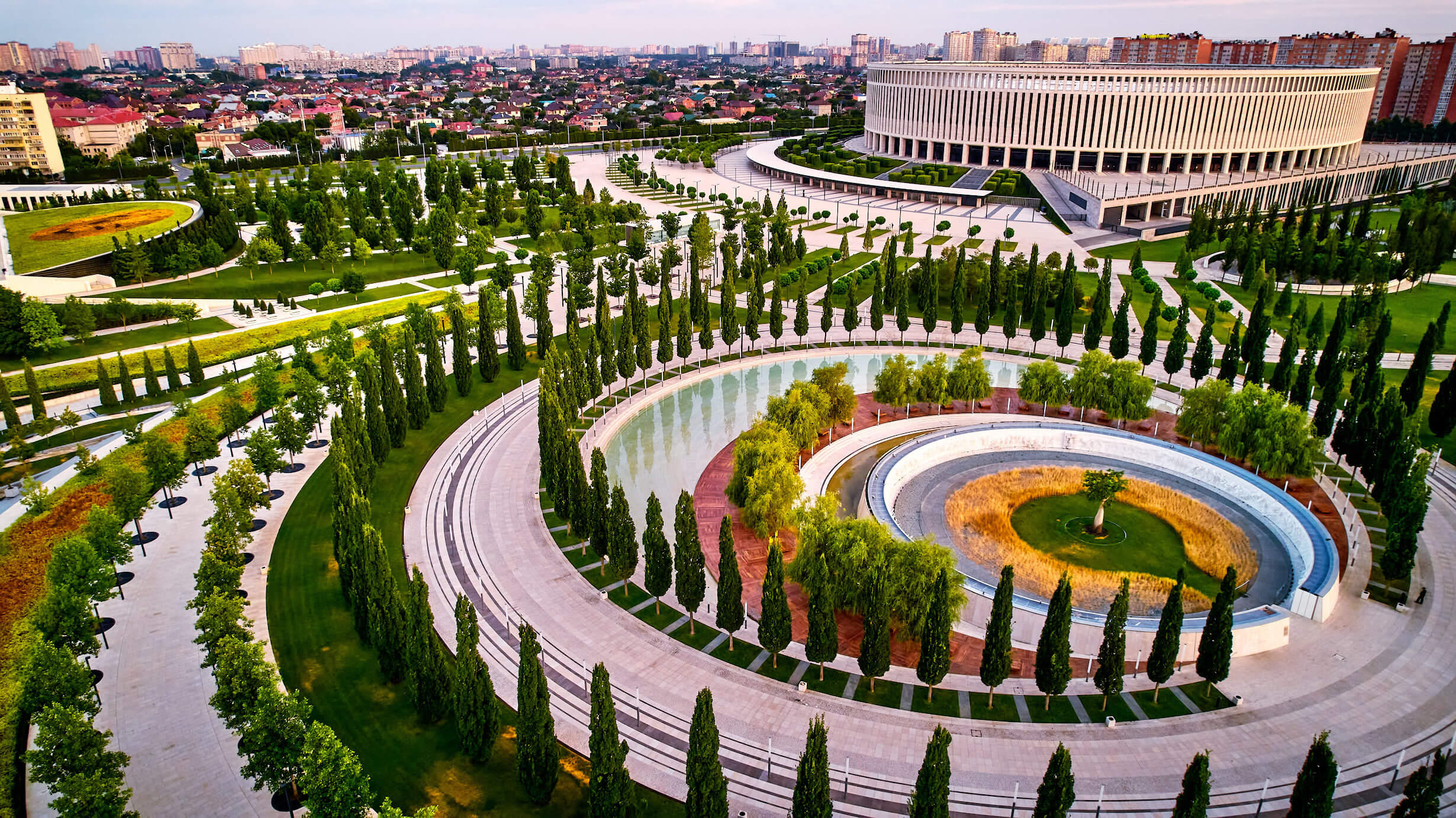
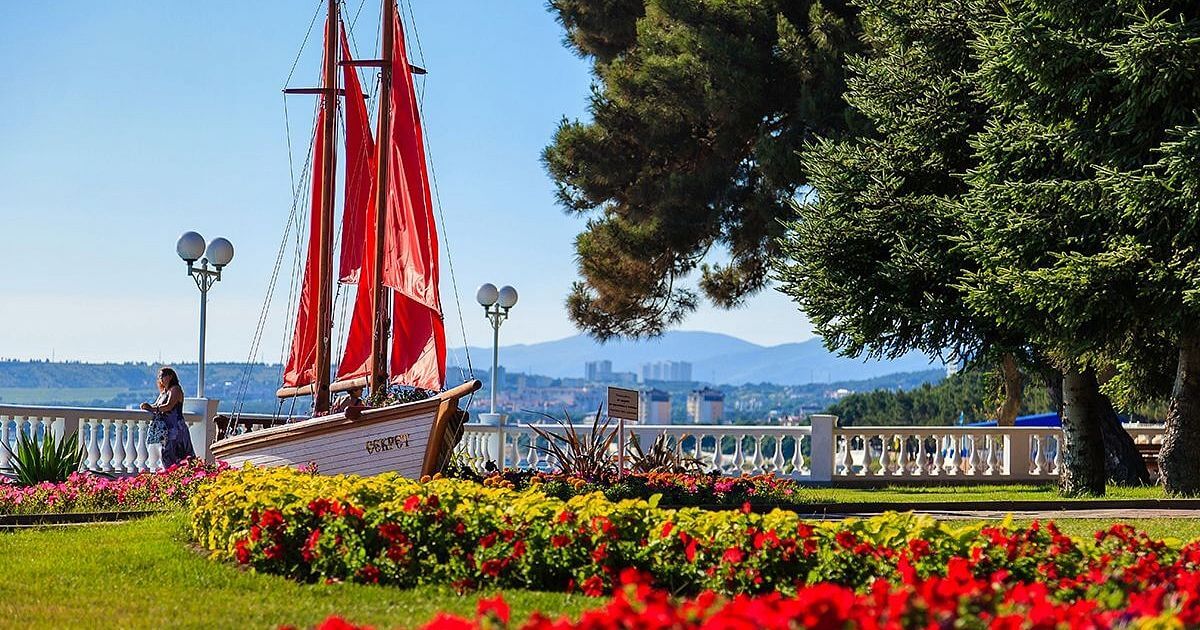
In the south of Russia, the warmest climate and warmest sea is the Black Sea. One of the most popular dishes among the residents of the region is real Russian borscht. Also located here is the city with the happiest residents in the country - Krasnodar. According to surveys, its population feels especially well compared to other regions.
The region is characterized by a great diversity of animal and plant life both on land and in water. This makes it a unique platform for scientific research.
North Caucasus
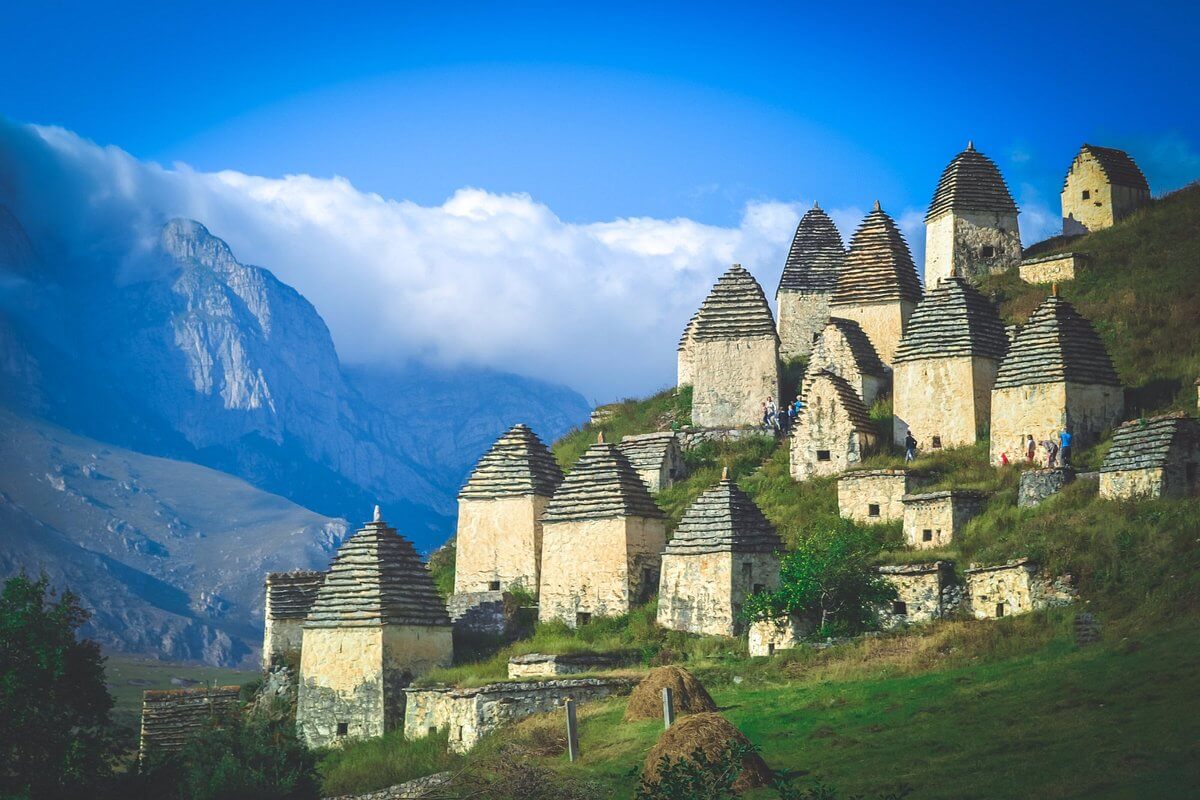
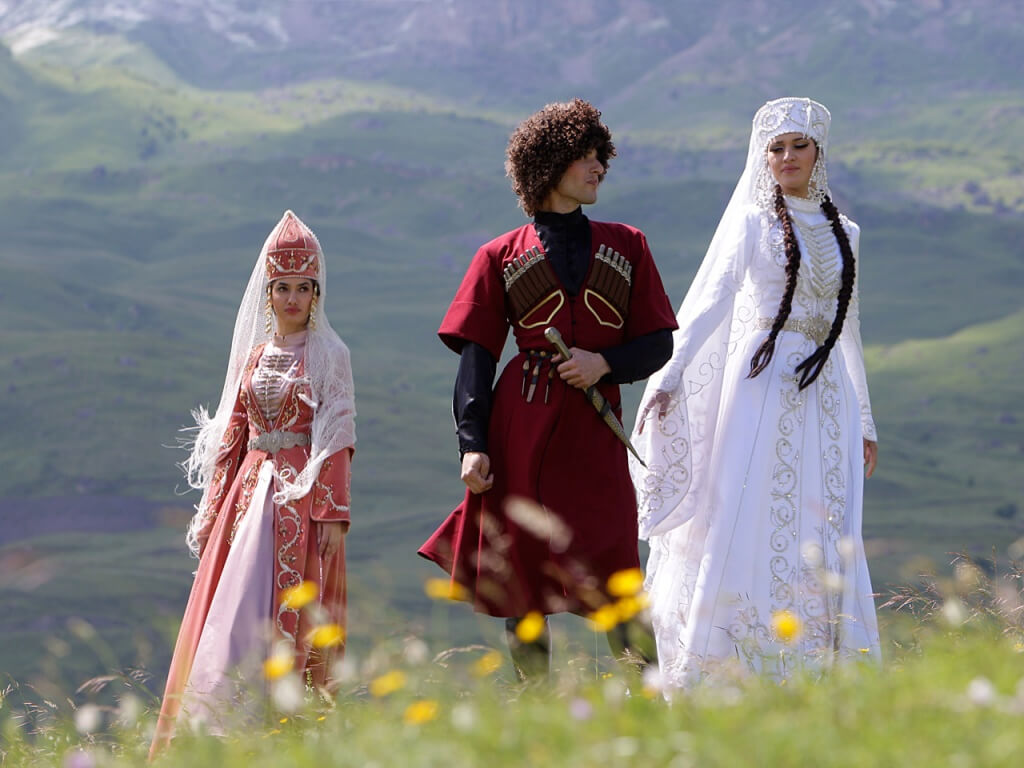
The North Caucasus surprises not only with the beauty of its mountains but also with a great diversity of ethnic groups. On its territories live Avars, Dargins, Ingush, Ossetians, Chechens, and more than 100 other nationalities. Most of them are Muslims.
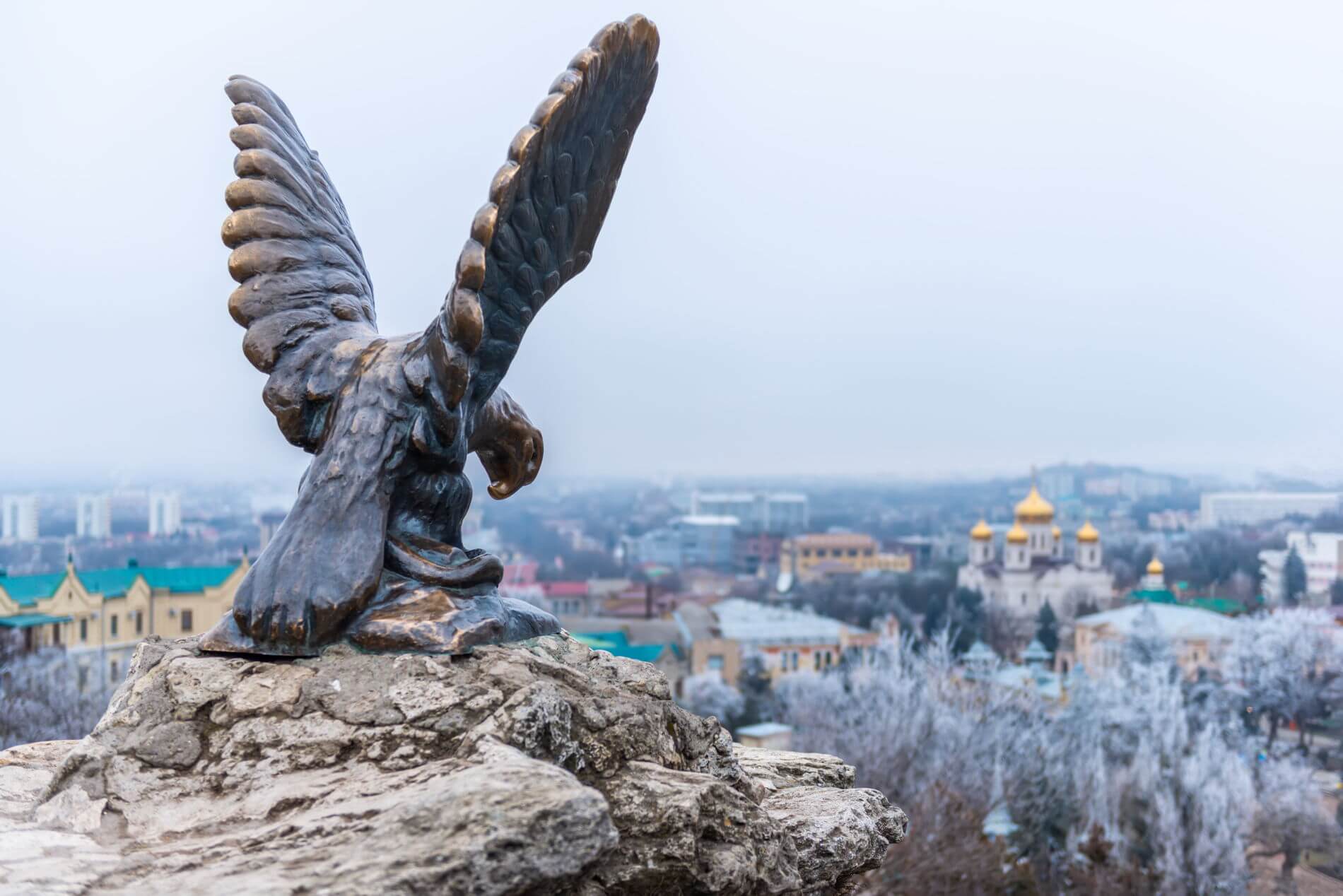
Major cities in the region include Makhachkala, Stavropol, Vladikavkaz, Grozny, Nalchik, Khasavyurt, and Pyatigorsk.
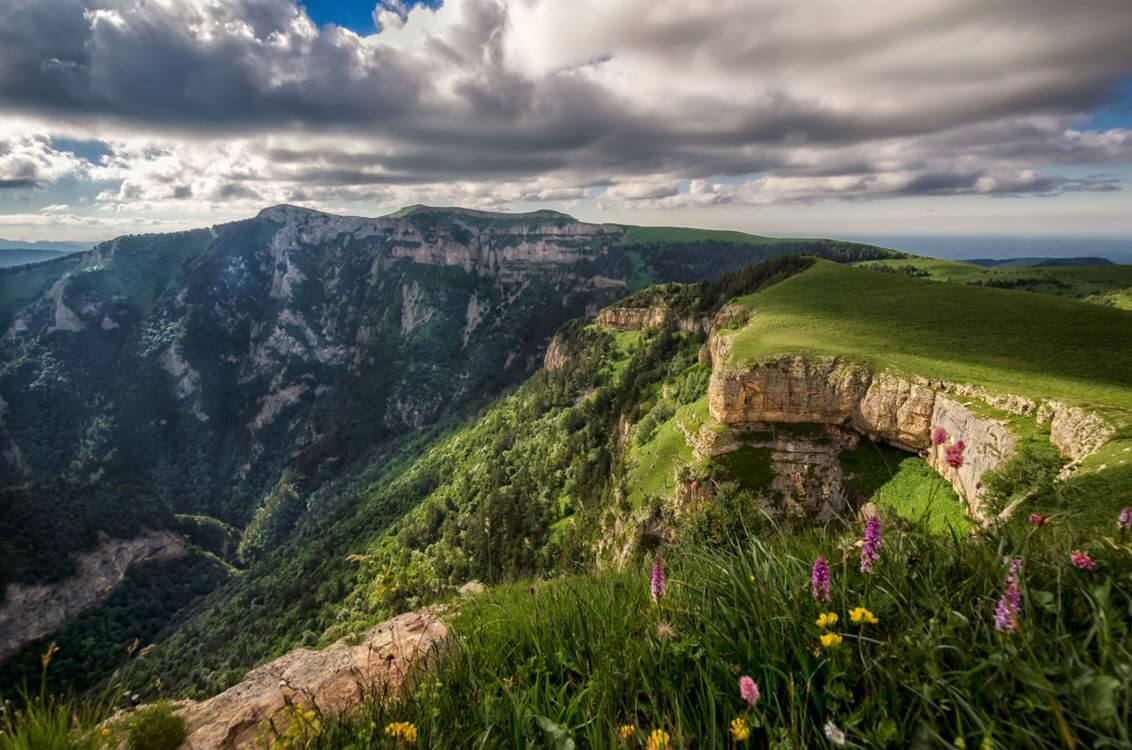
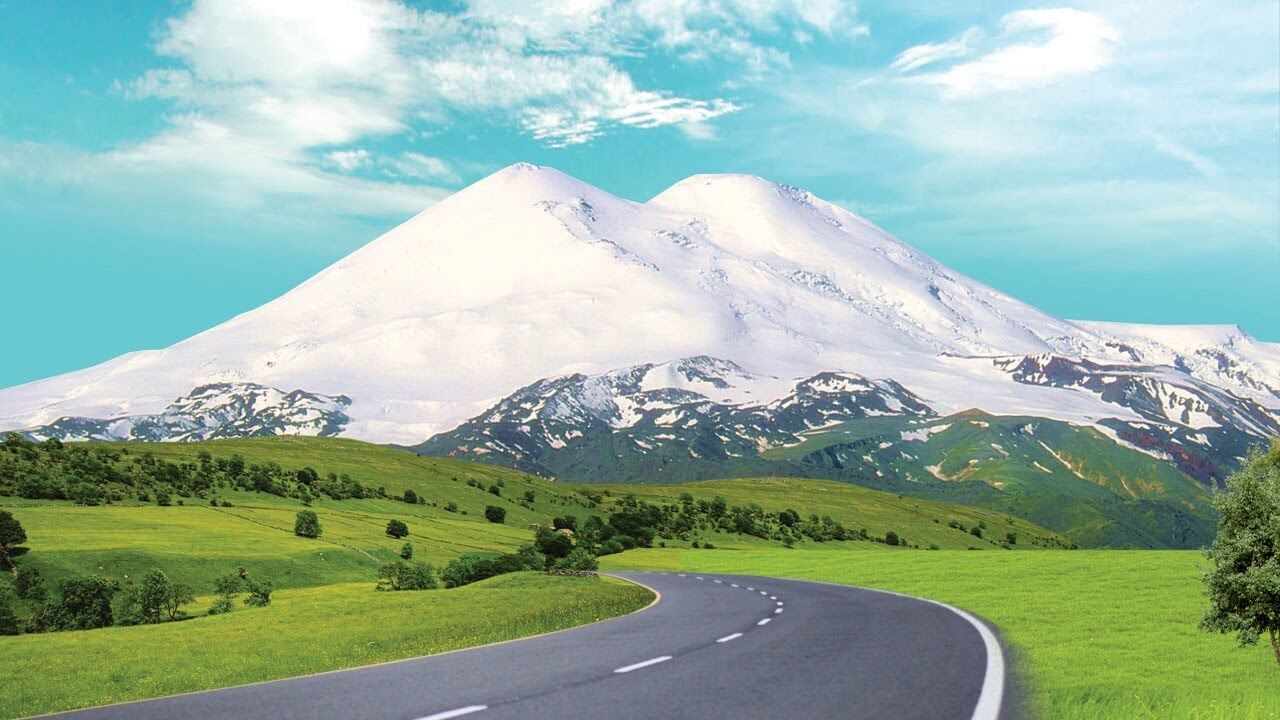
The nature of the North Caucasus is not only beautiful but also extremely diverse: here you can see mountain ranges and steppe plains, turbulent mountain rivers and cold snowy peaks of the Caucasus Mountains. Here is also the highest point of Russia and Europe - Mount Elbrus.
Urals and Siberia
In Western Siberia, indigenous peoples live - the Khanty, Mansi, and Nenets. Preserving their traditional way of life, they engage in reindeer herding and agriculture. The region has developed metallurgical, chemical, and food industries.
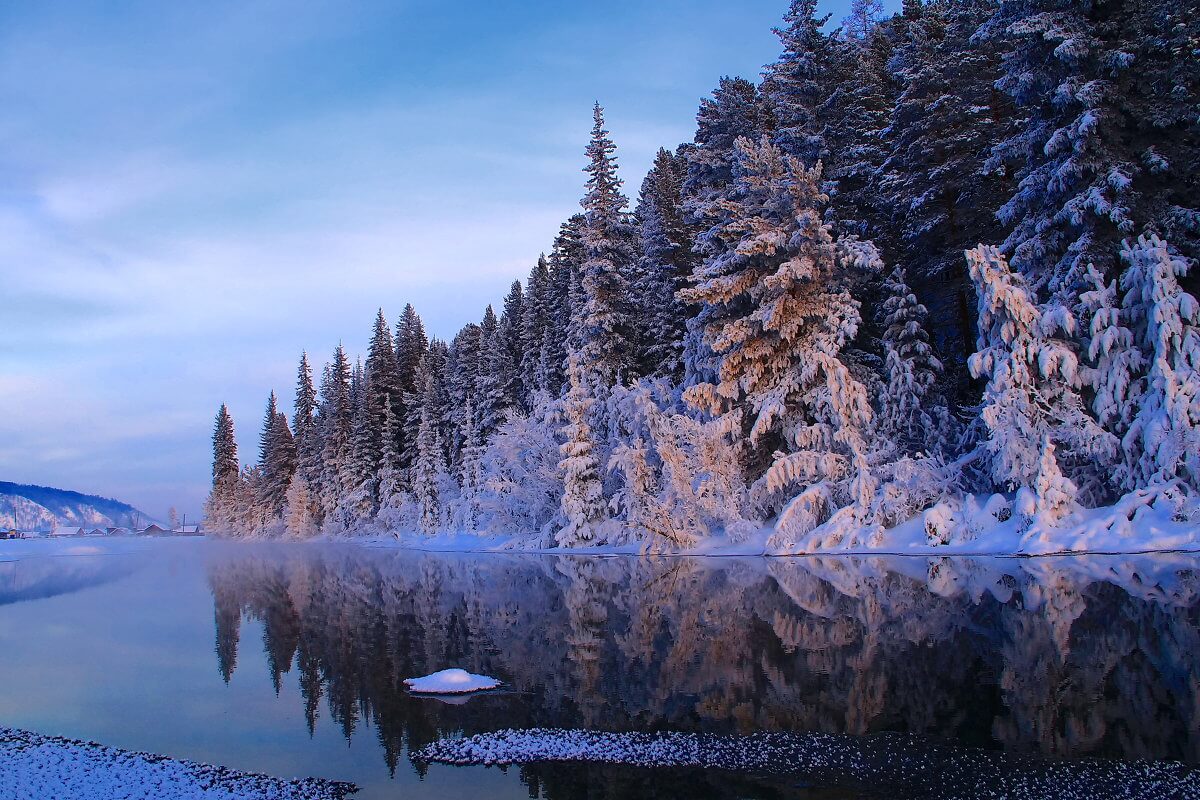
In this area, the main minerals of the country are concentrated: more than half of the oil and gas reserves, as well as lead, platinum, coal, nickel, copper, silver, and gold. Most of the territory is covered with forest. Winters here are harsh, and summers are short and cool. In winter, more than 50 ski resorts operate in the Ural Mountains.
Far East
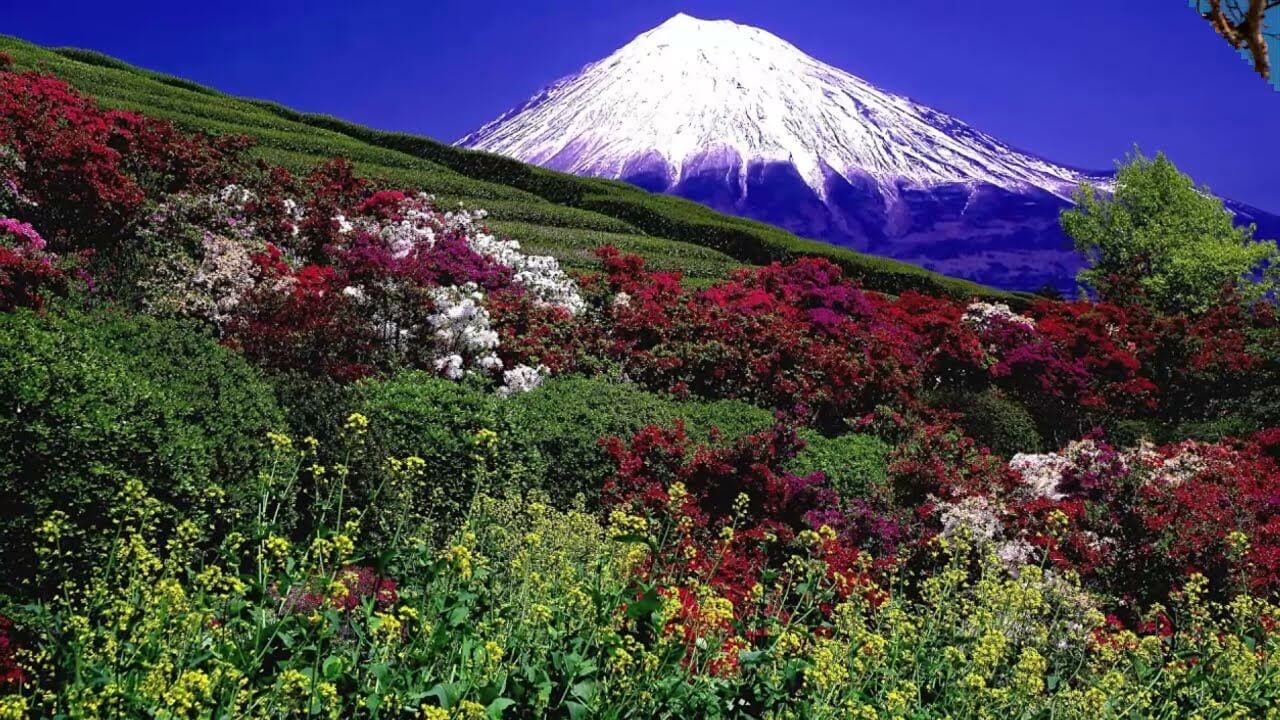
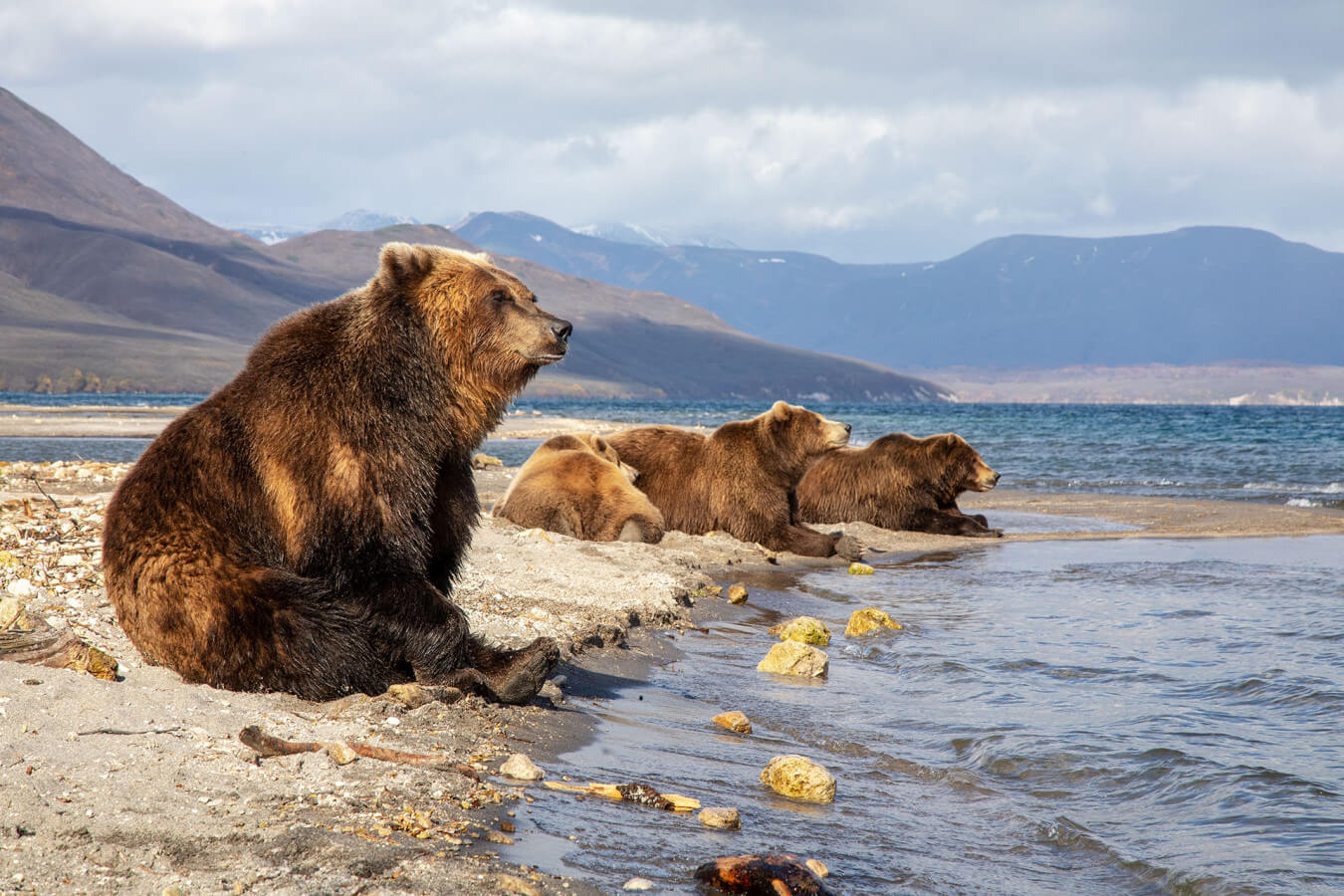
This is the region with the most beautiful nature not only in Russia but also in the whole world. On its territory, you can see volcanoes and geysers, visit beaches with volcanic sand, and... try oysters. This district is the largest in the country, it occupies 40% of Russia's area. It's like two Indias.
In the depths of the region, rich reserves of colored ores and rare metals are concentrated: gold, tungsten, tin. Here, Yakut diamonds, known worldwide for their quality and variety of colors, are mined.
Due to its proximity to the Pacific Ocean, the region is rich in seafood. Here you can inexpensively buy red caviar, crabs, sea scallops, shrimp, and sea urchin caviar.
Russian culture
The Russian language is an important part of Russian culture. It helps express the soul of the country. Alexander Pushkin wrote his beautiful poems in Russian. Leo Tolstoy and Fyodor Dostoevsky used it to explore the deepest corners of the human soul. Their novels, including War and Peace and Crime and Punishment, are still read all over the world.
Russian classical music includes Dmitri Shostakovich's symphonies, which sounded during some of the most dramatic moments in history.
Russian art is not only the austere icons of Andrei Rublev, but also the burst of colour in the avant-garde paintings of Kazimir Malevich and Marc Chagall.
Russian theatre, based on the Stanislavski system, remains a global benchmark for acting.
Russian history is full of tragic events and great victories. It has shaped resilient, sincere, hospitable and kind people, and taught them to value friendship, knowledge and perseverance.
Studying in Russia means discovering a country that inspired creators of world-class works.
You can learn more about culture and Russia on the portals: https://www.culture.ruhttps://www.gw2ru.com.
Russia is a multi-religious country

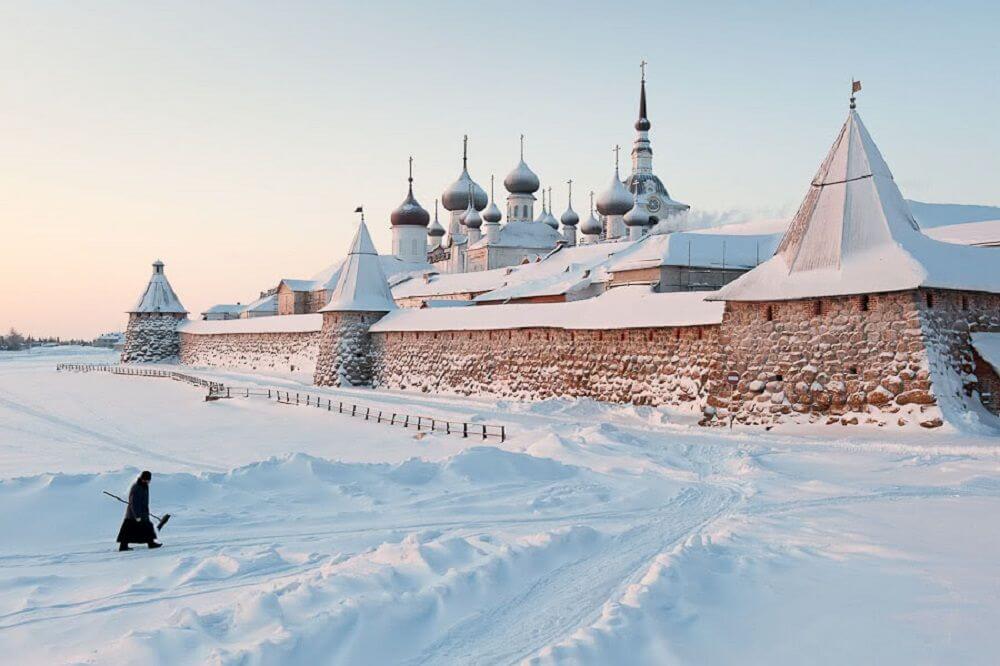
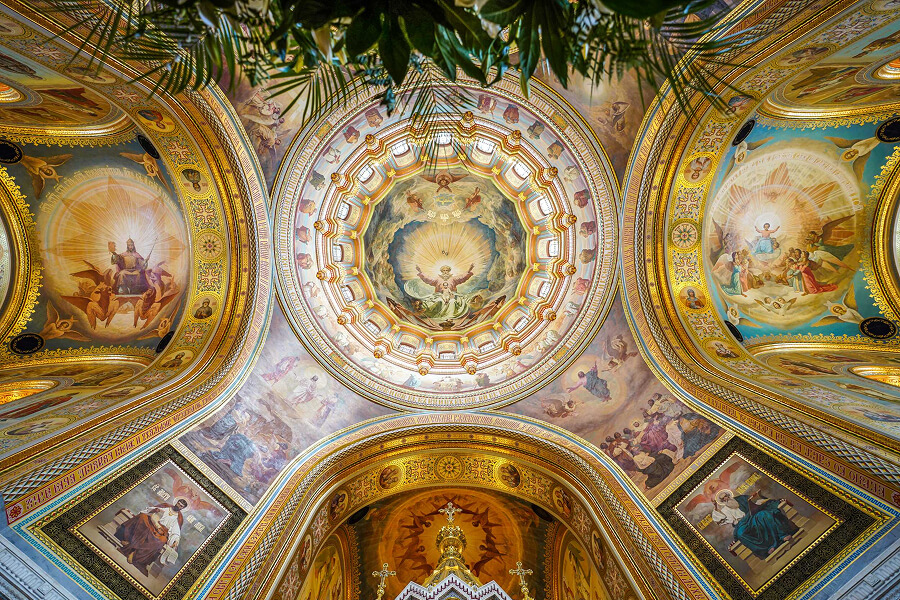
Orthodox Christianity
Church of Christ the Savior - the main church of the Russian Orthodox Church.

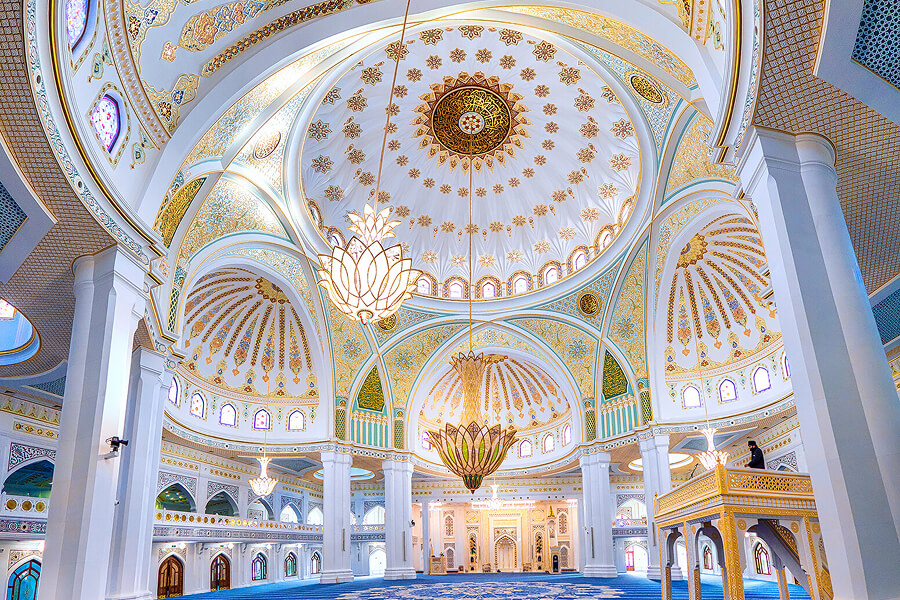
Islam
Mosque "Pride of Muslims" - the largest not only in Russia but also in all of Europe. Republic of Chechnya.

Buddhism
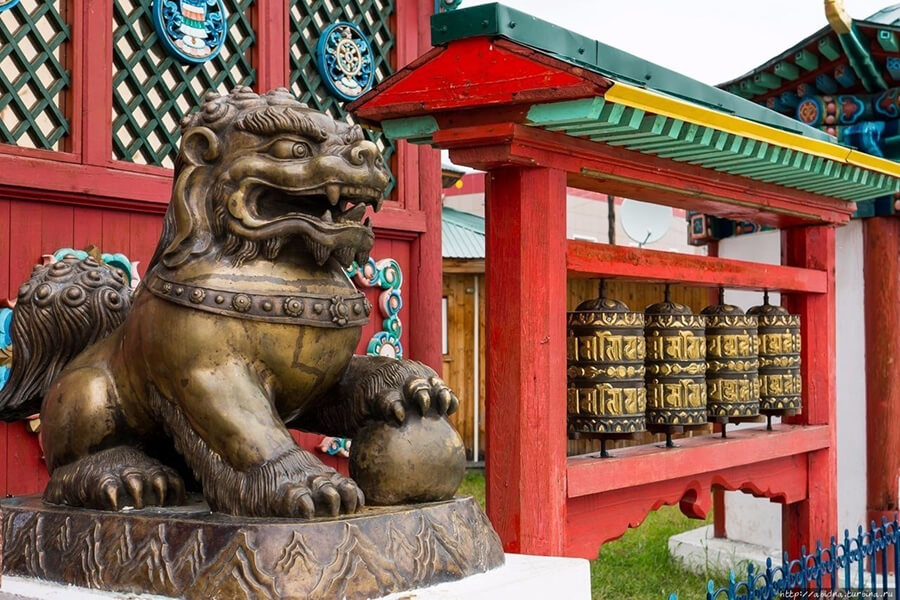
"Tubten Shedrub Ling" - a Buddhist monastery-temple in Kyzyl, the place for it was chosen by the Dalai Lama XIV.

Catholicism and Protestantism
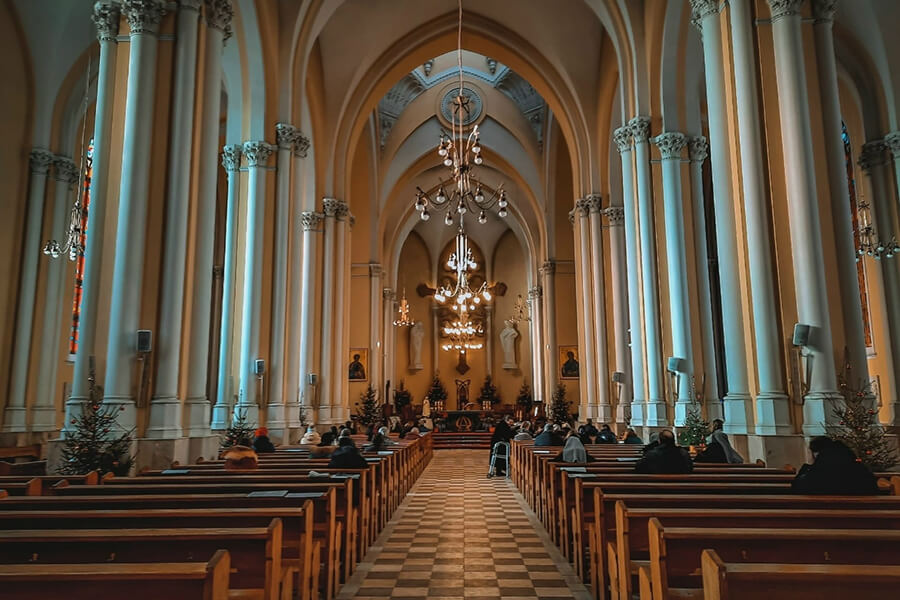
Roman Catholic Cathedral of the Immaculate Conception of the Most Holy Virgin Mary, in Moscow.

Judaism
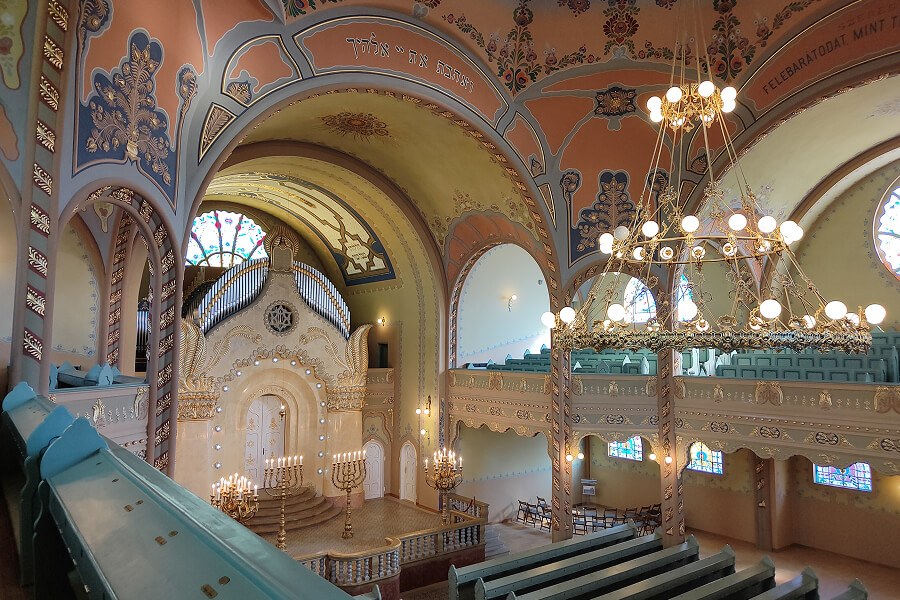
Large Choral Synagogue in St. Petersburg.
Russian values

Russian values are norms and principles adhered to by the country's residents. They have been formed over centuries and are passed down from generation to generation. They can be considered the foundation of cultural and social life in Russia. Some of the most important values are loyalty, patriotism, respect for elders, honesty, diligence, and mutual assistance. Since moral norms are very important in Russia, traditional values are enshrined at the state level. In 2022, the country's President V. V. Putin signed a decree "On the Preservation and Strengthening of Traditional Spiritual and Moral Values." It included 17 principles on which Russian society is built.
- Life
- Dignity
- Citizenship
- Service to the Fatherland and responsibility for its fate
- Creative work
- Priority of the spiritual over the material
- Justice
- Collectivism
- Human rights and freedoms
- Patriotism
- High moral ideals
- Strong family
- Humanism
- Mercy
- Mutual assistance and mutual respect
- Historical memory and generational continuity
Medicine
The Russian healthcare system is one of the most effective in the world. Russia was among the first countries to develop a COVID-19 vaccine and created a treatment for Ebola fever. Measures introduced to combat pandemics have also been successfully used in other countries.
All citizens have the right to free medical care, including high-tech surgery and costly therapy, regardless of income. Artificial intelligence is being introduced to analyse medical test results and improve the diagnosis of complex diseases.
Disease prevention and longer active life remain priorities. New prevention programmes have been introduced, medical screening has been expanded, and the focus is on early diagnosis and preventing chronic diseases.
Supplementary health insurance policy (DMS)
- Mandatory for registration for all visitors to Russia (if there is no OMS)
- Paid through an insurance company.
- Medical services can only be obtained in those medical institutions that are part of the insurance program
Requirements for what services the policy covers may vary depending on the university, clarify the information upon admission.

Security
Russia is among the countries with relatively low crime rates compared to a number of other large states. According to the Numbeo Crime Index 2024, Russia ranks higher than the USA, France, Canada, and other countries.
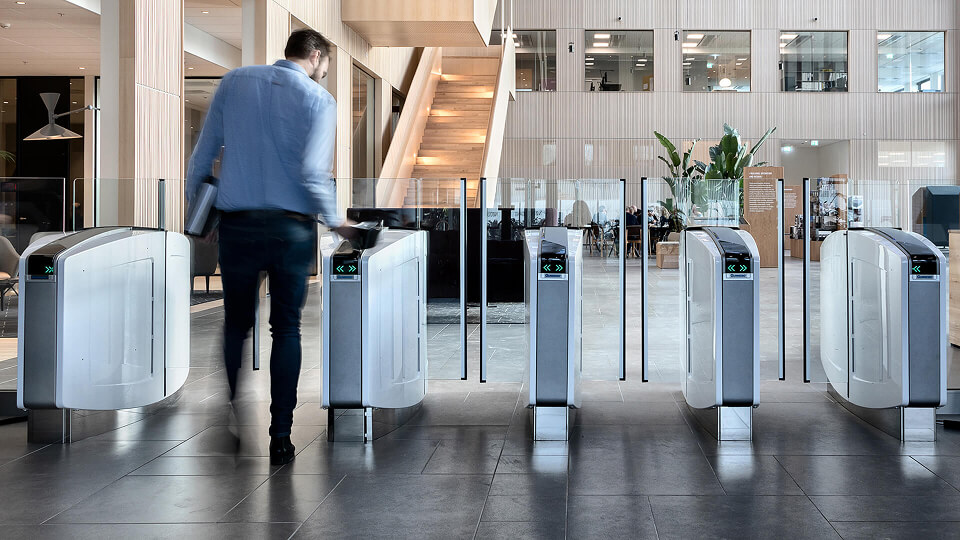
In all educational institutions in Russia, access control is established. Only students, employees, and teachers can enter the university territory, academic buildings, and dormitories. Security services, which are on duty in universities and dormitories around the clock without breaks and weekends, monitor compliance with safety rules. Metal detector frames are also installed at the entrances to the university buildings, and video surveillance cameras are installed inside.
Popular apps in Russia
Government services
Documents, coronavirus tests, qr codes, clinic appointments, fines, and more
Maps
Russia has its own very convenient applications:
Taxi
The most convenient and popular taxi booking services in Russia
Car sharing
There are cars in many cities, convenient service and affordable prices
Housing search
Landlords and realtors undergo verification on these platforms, so the services are maximally secure
Products
In most large cities, you can order food home without a mark-up, and they will deliver it to you in at least 15 minutes
Food delivery
Catalog of the most in-demand mobile services
Video streaming
Russian-language services with a wide selection of films and series of Russian and foreign production
Audiobooks and reading
All literature is in Russian, you can read and listen
Messengers and social networks
Catalog of the most in-demand mobile services
Communications operators
For convenient use of mobile internet and cellular communication, you can download operators' applications by purchasing a SIM card in the salon
Job search
Use services to find a job