











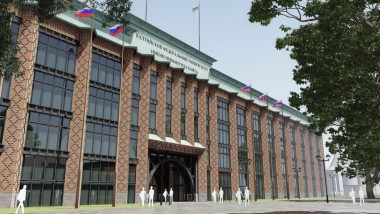
Кампус «Кантиана» БФУ им. И. Канта
«Кампус ФГАОУ ВО «Балтийский федеральный университет имени Иммануила Канта» – «Интеллектуальное пространство будущего «Кампус Кантиана»»
Страница кампусаHigher education in Russia is an investment in your future. Graduates of Russian universities are valued worldwide. You will be able to obtain quality knowledge that will help you enter the labor market and achieve success in your work.
 Information technology
 Artificial intelligence
 Engineering
 Robotics
 Biotechnology
 Agriculture
Applied training in a broad field, building core competencies for starting professional work.
Features: The classic entry point into higher education after school. It focuses on practice and the study of general scientific and specialized disciplines that help students adapt quickly to labor market requirements.
Duration of study: 3–4 years.
An integrated program (bachelor's + master's level) that awards a qualification in a specific specialty for solving complex professional tasks.
Features: Allows students to gain fundamental knowledge in engineering, medicine, economics, and other priority fields without an intermediate master's level.
Duration of study: 5–6 years (depending on the field).
Development of advanced analytical, research, and expert competencies in the chosen field.
Features: The second stage of higher education, available after a bachelor's or specialist degree. It involves specialization in a narrow field, research training, or obtaining a new qualification.
Duration of study: 2–3 years.
Training of highly qualified research and teaching staff for independent research and academic teaching.
Features: A key stage for entering advanced research. It includes candidate exams, dissertation writing, and ends with the award of an academic degree (PhD or Candidate of Sciences). Admission is possible after a specialist or master’s degree.
Duration of study: 3–4 years (full-time).
Clinical training of specialist doctors in a specific narrow profile.
Features: A specialized level of postgraduate medical education. It is delivered in leading clinics and medical centers under the supervision of practicing physician mentors. Admission is strictly after a specialist degree in the relevant field.
Duration of study: From 2 to 5 years (depending on the medical specialty).
Advanced creative and pedagogical training in the arts, developing readiness for solo, production, concert, and teaching activities.
Features: A unique program for musicians, directors, artists, and choreographers. It involves intensive individual work on performance skills and the creation of creative projects under the guidance of recognized masters. Available after a specialist or master's degree.
Duration of study: 2 years.
To get into the quota of the Government of the Russian Federation and study for free, you need to go through the following stages:
In Russian universities, competitions are regularly held, the winners and prize-winners of which can be enrolled in the university without exams, study for free or at a discount
You can familiarize yourself with the full list of olympiads for students entering university here.
Students applying for a master's degree can also participate in the Olympiads. List of Olympiads for them here.
Foreign citizens may apply to Russian universities for tuition-free, state-funded study if admission is:
This condition applies if you are a citizen of one of the following countries:
No supporting documents other than a passport are required to confirm eligibility on this basis.
Eligibility is confirmed by the document specified for the applicant’s country of citizenship.
The following may be required to confirm this status:
World Championship of Russian Language for Foreigners — a major annual project supported by the Ministry of Science and Higher Education of the Russian Federation that brings together thousands of young people passionate about Russian-speaking culture.
Winners and prize-winners will receive trophies, medals, and, most importantly, the right to enroll at Russian universities
The championship is held in two stages. The 2026 schedule:
The 30 top teams will take part in the final. Participants will solve situational tasks in teams, debate, compete in an intellectual tournament, and write essays.
Championship finalists will have the opportunity to travel to Russia’s capital — Moscow — and the organizers will cover the cost of travel, accommodation, and meals during the final.
Assemble your team and take the first step toward your dream education in Russia!
Russia has government programs that promote the development of higher education. The "Priority 2030" program helps more than 100 leading universities improve the quality of education and conduct research. Advanced Engineering Schools at universities train technical specialists for the economy's most advanced technology sectors. The federal project "Creating a Network of Modern Campuses" funds the construction of 40 world-class campuses across the country.
Since 2021, the largest higher education development program in Russia's history, Priority 2030, has been underway. Its goal is to create the conditions for high-quality higher education. Universities are developing unique solutions to advance Russia's technological leadership.
The project covers:
participating universities:
Thanks to the program, university infrastructure is being modernized and research laboratories where young scientists work are being equipped. Universities are opening digital departments that enable students to gain qualifications for new careers in information technology. Educational programs are evolving as well: students take practical modules, while the "Startup as a Diploma" program allows them to defend a final project based on their own business idea.

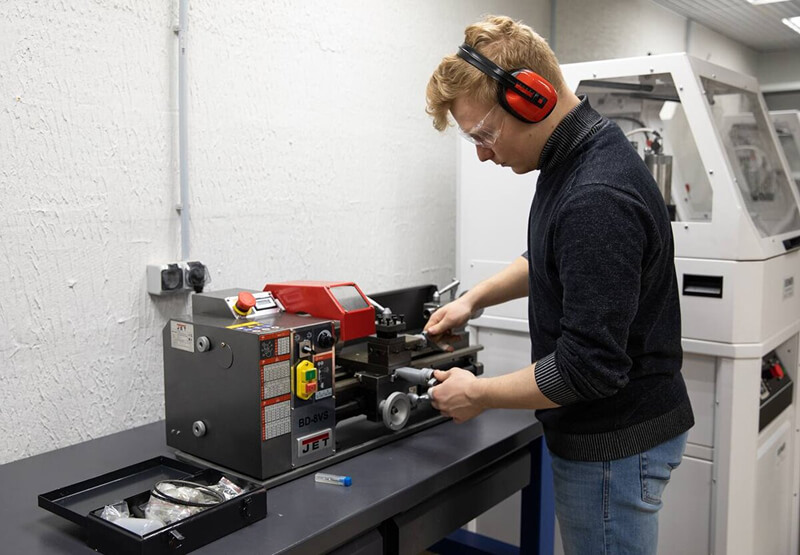
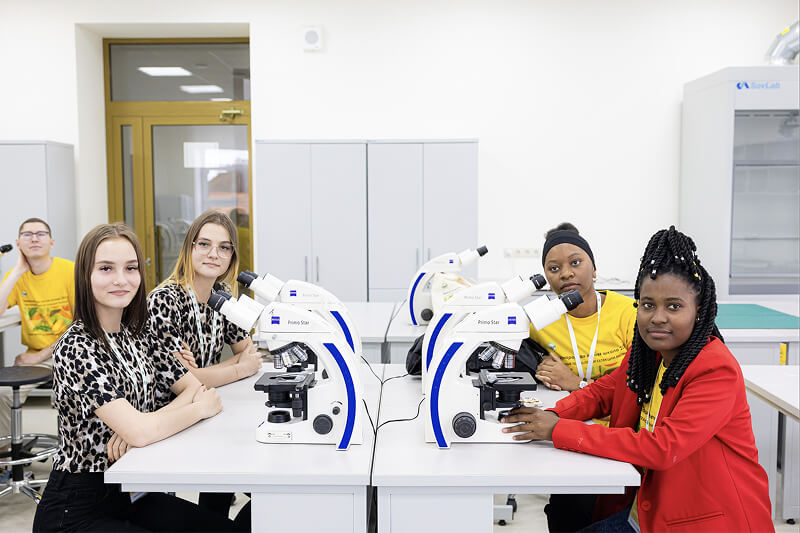
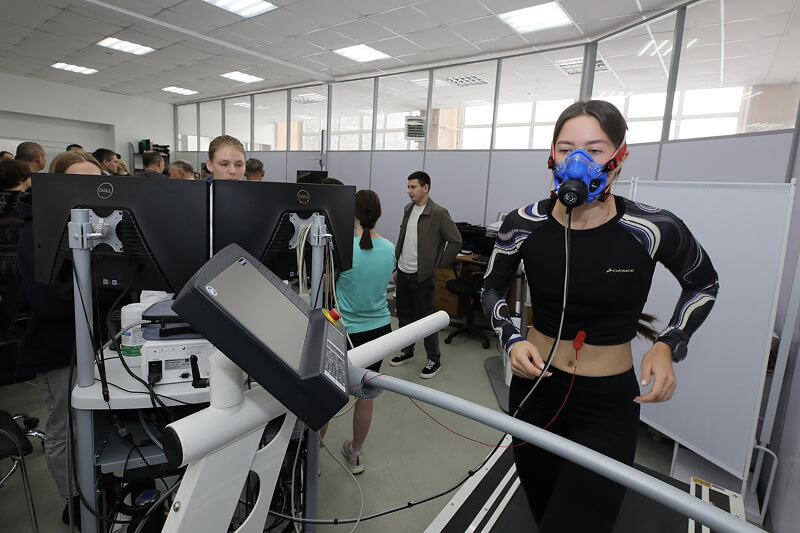
Since 2022, Russia has been implementing the Advanced Engineering Schools project.
Its goal is to train a new generation of engineers capable of working at modern enterprises and creating technological solutions.
Advanced engineering schools are educational centers based at Russian universities, where students study in cooperation with leading companies and gain experience participating in real engineering projects.
In 2026, 50 advanced engineering schools are operating in Russia.
Кампус — это больше, чем новые учебные корпуса и общежития: это пространство нового поколения, где учёба, наука, технологии и студенческая жизнь объединены в единую среду.
Университеты работают вместе с научными организациями и технологическими компаниями, а студенты получают возможность участвовать в исследованиях и реальных проектах уже во время обучения.
Многие кампусы создаются как межвузовские и объединяют возможности сразу нескольких университетов.
Рядом располагаются лаборатории и исследовательские центры, аудитории и коворкинги, спортивные и общественные пространства, а также комфортное жильё для студентов.
В России реализуется проект по созданию сети современных кампусов: к 2030 году планируется построить 25 студенческих кампусов мирового уровня. Новые университетские пространства уже появляются по всей стране — от Калининграда до Дальнего Востока.
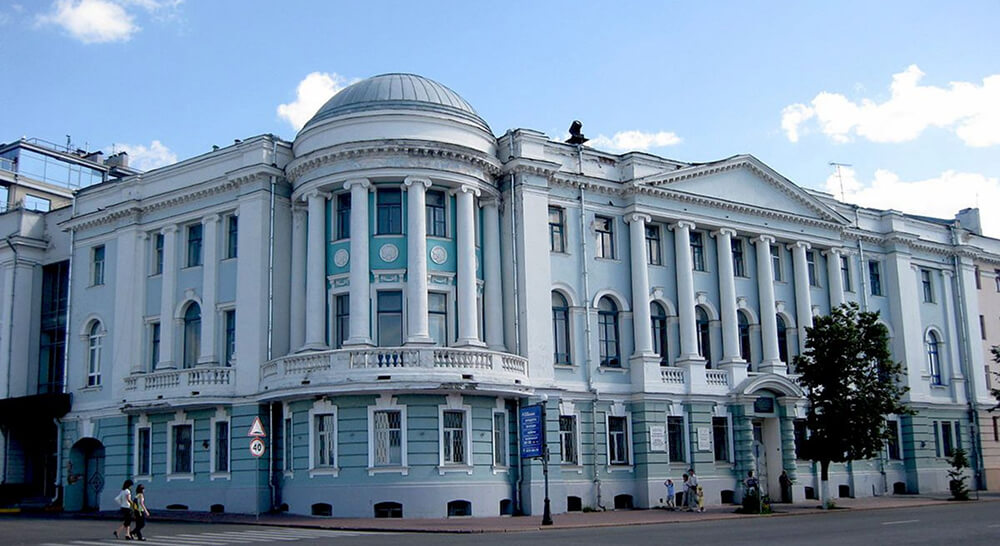 World-class campuses
«Кампус ФГАОУ ВО «Балтийский федеральный университет имени Иммануила Канта» – «Интеллектуальное пространство будущего «Кампус Кантиана»»
Страница кампуса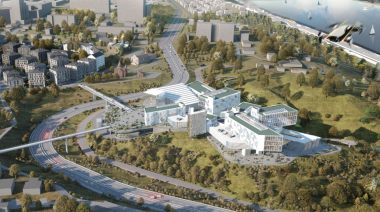
«Межвузовский ИТ-кампус мирового уровня в г. Нижний Новгород» 1 очередь
Страница кампуса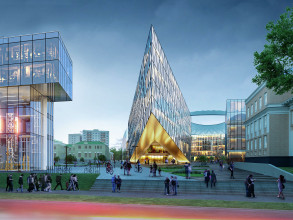
Кампус ФГАОУ ВО «Московский государственный технический университет имени Н.Э. Баумана (национальный исследовательский университет)»
Страница кампуса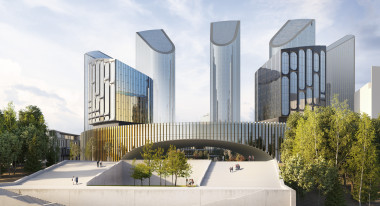
«Межвузовский студенческий кампус Евразийского научно-образовательного центра мирового уровня»
Страница кампуса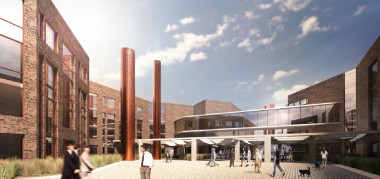
«Кампус УрФУ — центр цифровой трансформации»
Страница кампуса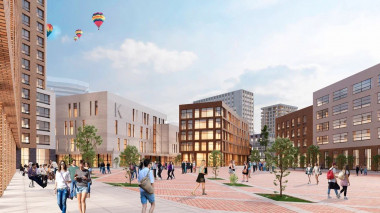
«Межуниверситетский кампус мирового уровня в Челябинской области»
Страница кампуса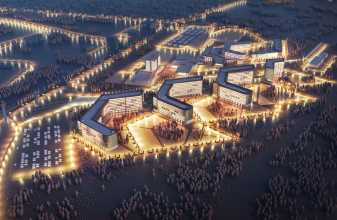
«Современный межвузовский кампус в г. Томск»
Карточка на ПроКампус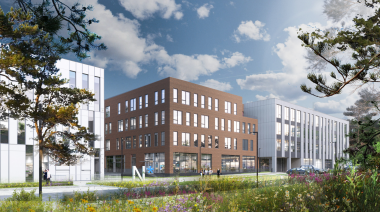

Студенческий кампус мирового уровня "Арктическая звезда"
Карточка на ПроКампус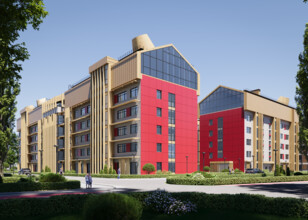
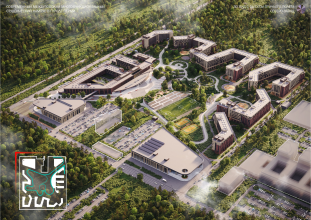
«Современный межвузовский многофункциональный студенческий кампус в городе Перми»
Страница кампуса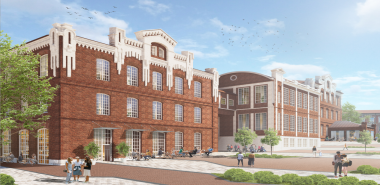
«Научно-образовательный кампус «Большая Ивановская Мануфактура»
Карточка на ПроКампус
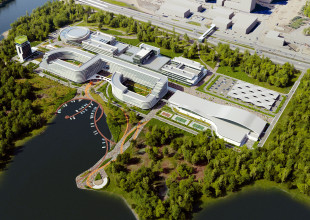
Межуниверситетский кампус мирового уровня в городе Тюмени
Страница кампуса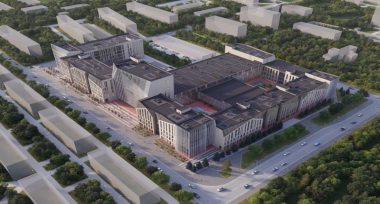
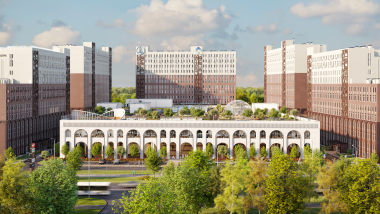
"Современный университетский кампус особой экономической зоны «Новгородская»"
Карточка на ПроКампус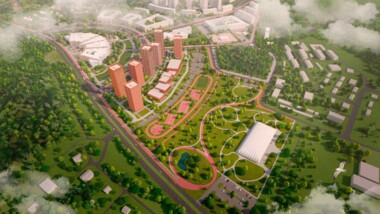
Межвузовский кампус Самарской области «Куйбышев»
Карточка на ПроКампус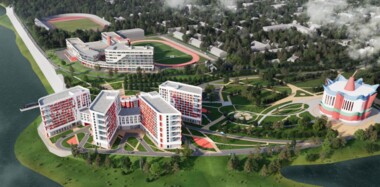
Межвузовский кампус мирового уровня "Байкал"
Страница кампуса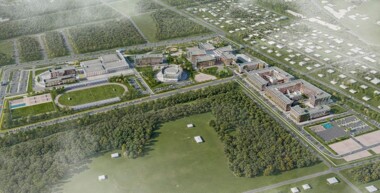
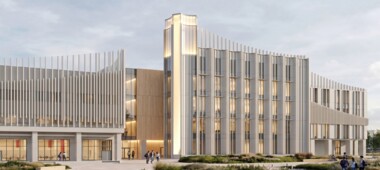
"Кампус первооткрывателей" в г. Петропавловск-Камчатский
Карточка на ПроКампус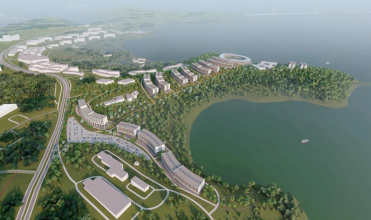
"Вторая очередь кампуса ДВФУ на о. Русский"
Карточка на ПроКампус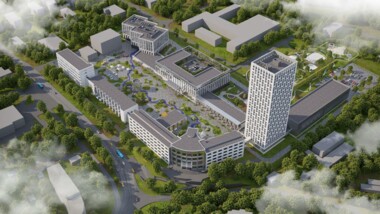
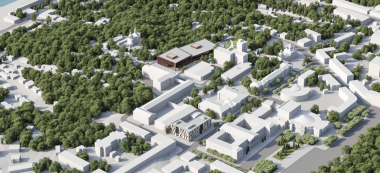
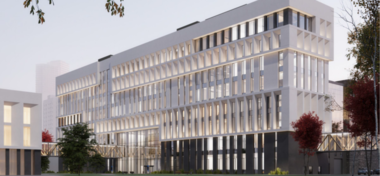

Многофункциональный научно-образовательный Кампус ФГАОУ ВО «МГТУ «СТАНКИН»
Карточка на ПроКампусForeign applicants have access to the same training programs as Russian applicants. In Russia, training is conducted in 56 areas. All of them correspond to the international standard classification of education and have the broadest profile—from medicine and agriculture to information security and nuclear technologies. A complete list of specialties that can be obtained in Russia can be viewed here.
In Russia, there are several forms of education, each of which has its own characteristics and is suitable for different categories of students.
The average cost of studying at a Russian university is 250 000 ₽ per year. However, prices vary depending on the city, program, and university. Payment is usually made twice a year at the beginning of the semester. The possibility of paying for studies from abroad should be clarified at the university itself.
On the pages of universities, you can find information about the specific cost of studying in various educational programs.
The university admission campaign begins in June and may continue until October. Check the application submission, entrance examination, and enrollment deadlines with your chosen university.
For international applicants applying under the quota of the Government of the Russian Federation, application deadlines may differ. Applications are generally accepted from September through December. Check the exact deadlines with a Rossotrudnichestvo representative office in your country or on the Education in Russia portal.
International applicants considering admission based on Olympiad results should review the registration deadlines, procedures, and result announcement date in advance. University Olympiads are generally held from October through March. Exact dates are published on the website of the Olympiad organizer or university.
At most Russian universities, international students study in Russian. Some universities also offer programs taught in English.
To learn Russian and prepare for university admission, international applicants can take Russian language courses or study at a university’s preparatory faculty.
When applying under a quota, there is an opportunity to study for free under such a program. This is an excellent chance to learn Russian and improve your specialized subjects before starting your main studies at the university.
Universities regularly organize adaptation events for foreign students During the academic year, universities hold a large number of various forums, conferences, round tables, master classes, and trainings—over 2,500 events aimed at socializing foreign students.
Foreign applicants can choose from two exam options. The first is the EGE, a standardized state exam in Russian, which Russian applicants take. It can be taken both in Russia and abroad. To find out if you can take the EGE in your country, contact the Russian consulate.
The second is the internal exam of the university, which can be in the format of a test, assignment, or interview. Different universities may have different exams. Usually, they are related to the direction you have chosen for study. For example, to study medicine, you may have to take an internal exam in biology.
Details about the exam itself: the time and place of its conduct, format, assignments, and literature for preparation — must be clarified at the university itself.
If you are applying under the quota of the Government of the Russian Federation, then information about the conduct of tests must be clarified on the website https://education-in-russia.com/.
To enroll in a Russian university, the Study in Russia website will help. This is an official resource of the Ministry of Science and Higher Education of the Russian Federation. Through it, you can not only learn more about education in Russia but also get acquainted with various university opportunities
Mandatory documents are:
Requirements for additional documents may vary depending on mode of entry. You can clarify them in a chat with a university representative through your personal account on the Study in Russia portal. All documents must be notarized and translated into Russian.
Legalization is a formal procedure that allows a foreign document to acquire legal force on the territory of Russia. After legalization, foreign documents can be submitted to the official bodies of another state.
There are two types of legalization:
Consular legalization
Apostilling
This is the placement of the "Apostille" stamp on the original document or on a separate sheet attached to the document. Usually, the stamp is placed by the authorized bodies of the country issuing the document (Secretary of State, Department of Education, Ministry of Education, educational institutions, etc.).
Recognition of foreign education in Russia — this is an official confirmation of the level of education and qualification obtained, which allows you to study in Russian educational institutions. In Russia, foreign diplomas of educational institutions approved by the government, issued in countries with which there are international treaties on mutual recognition, are recognized.
You can check whether your diploma is recognized in Russia on the website of "Rosacredagency" by submitting an application online.
If your diploma is NOT recognized in Russia, you will need to go through the recognition procedure. To do this, you need to fill out an application on the same website, as well as pay a state fee of 6 500 ₽. More information about the procedure can be found at website.
After submitting an application for training, you will be able to track the status of the application in your personal account on the university's website and clarify the necessary information through the email of the admissions committee of the Russian university.
To obtain a student visa, an invitation from the university is required. Usually, it is sent to your email after all stages of admission and your enrollment for study have been completed. The invitation must be printed and included in the package of documents that must be submitted to the Embassy of the Russian Federation or the visa center of your country for obtaining a student visa
After submitting documents to a Russian university, you need to prepare a package of documents for life in Russia.
Documents required for entry:
Upon entry into Russia, the following are issued:
Documents that must be obtained after entering Russia:
Do not forget to timely renew the necessary documents for your stay in Russia.
Also, foreign students have the right to obtain a temporary residence permit for the purpose of education (RVPO).
RVPO will be issued immediately for the entire duration of study. For the same period, you can obtain a visa and reside in the territory of the Russian Federation without leaving during the entire validity period of the RVPO. The document also provides the opportunity to work in Russia and receive free medical care under the OMS
You can get the service online, we sent a package of documents to your personal account on the website «State services».
«State services» — official state portal where you can arrange documents, get extracts, and certificates.
What can be done on «State services»:
To start using «State services», Foreign students need to obtain SNILS and then register on the portal.
A mobile app also works for foreign citizens «State services RuID», adapted for visitors. In the app, you can submit an application for entry into Russia, present a QR code that will be formed after crossing the border and confirming your account on Gosuslugi.
The application is available in App Store, Google Play, RuStore and AppGallery in 7 languages.
On average, a foreign student needs 24 300₽–32 400₽ per month. For the first time, it is recommended to have more 56 700₽ for additional expenses: medical insurance, housing arrangement, and textbooks.
Expenses may vary depending on the student's needs and the region in which the student is studying.
Foreign students who study full-time at a university with state accreditation can work in Russia without permits during their free time. It is necessary to provide the employer with a certificate confirming education at the university.
If a student studies part-time or part-time, they can also work, but first they need to obtain a work permit or patent.
Most Russian universities have special career centers that help students with work. Each university cooperates with organizations that provide internships or even open vacancies.
Information about graduate employment opportunities can also be viewed in the university card in the "Graduate Employment" tab.
If you study at a state university on a budgetary basis, you are given free textbooks and teaching aids for the entire period of study. In addition, you have access to library resources and other educational databases.
If you are studying subjects or courses beyond the standard curriculum, study materials are provided according to the rules of your university.
A foreign student can apply for accommodation in a dormitory both on a paid and free basis. Each university independently determines the procedure for providing housing to students, including foreign ones.
Foreign students who entered within the quota of the Government of the Russian Federation are guaranteed a place in the dormitory.
Yes, foreign students studying in Russia on a full-time basis at the expense of federal funds have the right to receive state academic scholarships. Students admitted under the quota of the Government of the Russian Federation are paid a scholarship throughout the entire period of study, regardless of academic achievement.
In addition to the main state academic scholarship, you can receive an increased scholarship. It is available to students with special achievements in educational, research, social, cultural, creative, or sports activities.
There are also additional types of material support: nominal scholarships, scholarships from individual universities, and material support from the university
A full list of scholarships and information about the conditions for obtaining them can be found on the website стипендиатроссии.рф.
For foreign students in Russia, the same rules for taking and retaking exams apply as for Russian students. Each student has the right to retake the exam twice, unless otherwise provided by the university's regulatory acts. Upon graduation, it is necessary to pass the final certification, which usually consists of taking the state exam and defending the graduation qualification paper.
A dual-degree program is a joint study program delivered by two or more partner universities.
Students complete part of the program at a Russian university and another part at a foreign or Russian partner university.
After successfully completing the program, students receive a diploma from each university.
Students have access to the resources and infrastructure of both partner universities, including libraries, digital resources, teaching and research spaces, and cultural and sports facilities.

Register to not miss important information